
6 Design Considerations for Creating Safe and Sensory-Friendly Autism Care Environments
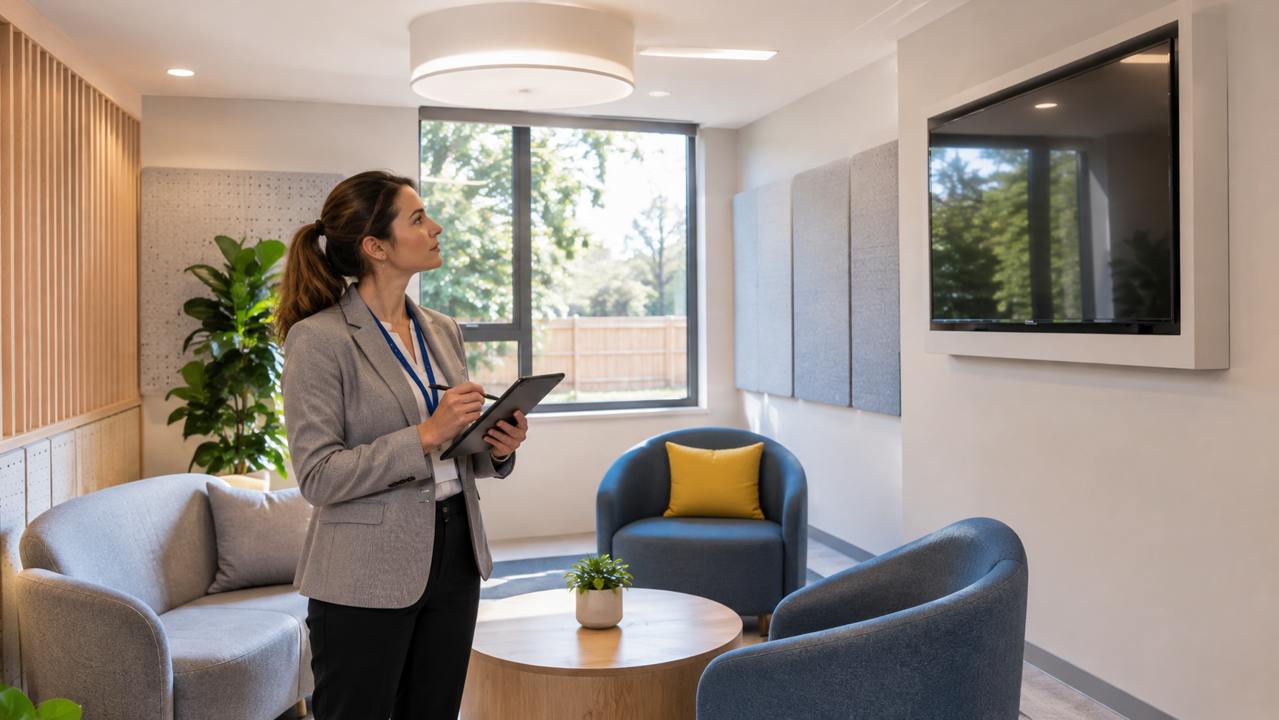
Physical surroundings can significantly influence how autistic people experience healthcare, education, and residential care. The National Institute for Health and Care Excellence (NICE) recommends adapting care environments to accommodate individual sensory sensitivities. Lighting, noise, furniture, and room arrangements all deserve careful attention. Thoughtful design can reduce environmental stress while supporting comfort, accessibility, and independence.
Safety considerations also extend to electronic equipment. Protective designs such as correctional facility TV housing illustrate how display installations can address physical hazards in high-risk environments. However, correctional security requirements differ significantly from autism care needs. Healthcare designers should prioritise individual risk assessments, dignity, sensory comfort, and personal freedom rather than adopting restrictive measures unnecessarily.
1. Reduce Sensory Overstimulation Through Thoughtful Interior Design
Bright lights, background conversations, strong colours, and unexpected sounds can make everyday surroundings uncomfortable for some autistic individuals. Others may actively seek additional sensory stimulation. These differences make flexible interior design particularly important.
The National Institute for Health and Care Excellence (NICE) identifies lighting and noise adjustments as important environmental considerations when supporting autistic adults.
Practical interior design measures include:
- Adjustable lighting: Install dimmable lights and provide options for controlling natural daylight.
- Balanced colour schemes: Choose muted colours while maintaining sufficient visual contrast for accessibility.
- Noise reduction: Consider acoustic panels, quiet ventilation systems, and sound-absorbing materials.
- Organised interiors: Reduce unnecessary visual clutter through practical storage solutions.
Designers should avoid assuming that every autistic person prefers quiet surroundings or neutral colours. Providing choices allows individuals to adjust their surroundings according to their preferences.
2. Choose Safe and Accessible Furniture
Furniture influences how comfortably people move, rest, and participate in daily activities. Unstable chairs, sharp corners, and crowded arrangements may introduce avoidable physical hazards.
Research by Dr Magda Mostafa, an architectural researcher behind the Autism ASPECTSS Design Index, identifies environmental safety as an important principle of autism-inclusive architecture.
Care providers can consider the following furniture features:
- Stable tables and chairs with rounded edges.
- Accessible seating at different heights.
- Comfortable upholstery with suitable textures.
- Appropriately secured storage units where necessary.
- Spacious layouts that accommodate mobility aids.
Furniture selection should reflect the activities performed within each room. A communal dining area, for example, requires different arrangements from a private relaxation space.
Involving autistic individuals in furniture selection can help identify uncomfortable materials, unsuitable seating, and other concerns that designers might otherwise overlook.
3. Integrate Digital Displays Without Compromising Safety
Digital displays can support entertainment, communication, learning, and daily routines. However, poorly installed equipment may introduce unnecessary hazards. Exposed cables, unstable television stands, and unsuitable mounting arrangements deserve particular attention.
The American University in Cairo documents autism-focused architectural research that incorporates safety alongside sensory and spatial considerations. These principles provide useful guidance when planning electronic installations.
Designers should consider several practical measures:
- Secure televisions using appropriate mounting systems.
- Conceal electrical cables where practical.
- Position screens at comfortable viewing heights.
- Provide accessible brightness and volume controls.
- Assess whether protective screen enclosures are genuinely necessary.
Protective equipment should address documented risks without creating an unnecessarily institutional atmosphere. Autistic people should retain appropriate access to entertainment and communication technology.
Screen placement should also consider glare, reflections, and sound levels. A technically secure installation may still cause sensory discomfort if these factors are overlooked.
4. Create Dedicated Spaces for Sensory Regulation
Busy communal environments can become overwhelming, even when thoughtful design measures are in place. Dedicated sensory spaces offer individuals somewhere to rest, decompress, or engage in preferred sensory activities.
The sensory-friendly resource pack published by NHS England highlights the importance of quiet spaces and access to personal items that support self-regulation.
Depending on individual preferences, sensory rooms may include:
- Soft furnishings and comfortable seating.
- Adjustable lighting with minimal glare.
- Noise-cancelling headphones.
- Textured objects and tactile materials.
- Personalised sensory equipment selected with professional guidance.
A sensory room does not need expensive technology to be useful. A comfortable chair, familiar objects, and reduced background noise may provide sufficient support for some individuals.
Access should remain voluntary. These spaces should never become places of punishment or forced isolation.
5. Establish Predictable and Easy-to-Navigate Layouts
Unfamiliar surroundings and unexpected changes can cause distress for some autistic people. Predictable room arrangements and clear navigation systems can make everyday activities easier to manage.
Research published in the International Journal of Architectural Research identifies spatial sequencing and defined activity areas as important considerations in autism-friendly architecture.
Care facilities can improve navigation through simple design choices:
- Maintain clear and unobstructed pathways.
- Use recognisable symbols alongside written signs.
- Provide visual schedules where helpful.
- Separate noisy activities from quieter ones.
- Keep frequently used items in familiar locations.
When renovations or layout changes become necessary, staff can prepare individuals using photographs, visual explanations, or advance visits. This approach can help make transitions more manageable while encouraging independent movement.
6. Balance Environmental Safety With Personal Independence
Excessive safety restrictions can interfere with personal choices and everyday independence. Autism alone should never justify limiting access to furniture, technology, recreational equipment, or personal belongings.
NHS England advises healthcare providers to avoid blanket restrictions and instead make decisions based on individual circumstances. Autistic individuals should participate in these discussions wherever possible.
Person-centred environmental planning should consider communication preferences, mobility requirements, sensory needs, and documented safety concerns. Creating safe and sensory-friendly autism care environments requires collaboration between occupational therapists, care professionals, families, and autistic individuals. Their insights can help identify practical design solutions that respect personal preferences while supporting safety and independence.
Simple adjustments, such as accessible storage, personal lighting controls, and flexible seating arrangements, can provide greater freedom without overlooking safety.
Regular reviews are equally important. Individual needs and preferences may change over time, requiring different environmental adjustments.
Building Supportive Environments Through Inclusive Design
Creating autism-friendly care environments requires more than installing protective equipment or choosing calming colours. It involves understanding how individuals interact with their surroundings and identifying barriers that affect their daily experiences.
Thoughtful interior design, accessible furniture, safe technology, sensory regulation spaces, and predictable layouts can work together to support well-being. However, meaningful inclusion begins with listening to autistic people themselves.
As architectural research and person-centred care practices continue to develop, healthcare facilities have opportunities to create more adaptable environments. The ultimate goal should be spaces where individuals feel comfortable, respected, supported, and able to exercise greater independence.