
Autism, clinically described as autism spectrum disorder, is a neurodevelopmental condition associated with differences in communication, social interaction, sensory processing, and patterns of behavior or interests.
Why Is It Called a Spectrum?
Autism is called a spectrum because it does not look exactly the same in every person. One individual may communicate verbally but experience difficulty interpreting social cues, while another may communicate differently and require substantial daily support.
Sensory experiences can also vary. Some autistic people may be particularly sensitive to sounds, lights, textures, smells, or physical sensations. Others may seek additional sensory input. These differences are part of why autism should not be understood through a single stereotype.
What Science Says About Causes
Research indicates that autism has a strong genetic component, although multiple genetic and developmental factors may be involved. Scientists continue to investigate how genetic variation interacts with biological development. Autism is not caused by poor parenting. Large bodies of scientific evidence have also found no causal link between vaccines and autism.
Understanding the scientific evidence matters because misinformation can create unnecessary fear and distract families from useful support.
Support Can Be Individualized
There is no single approach that works identically for every autistic person. Support may include speech and language services, occupational therapy, educational accommodations, behavioral or developmental interventions, and assistance with daily living skills. The appropriate approach depends on the individual’s communication style, abilities, challenges, preferences, age, and goals.
Building Inclusive Environments
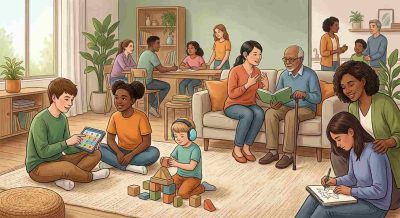 Schools, workplaces, healthcare settings, and communities can become more accessible by recognizing individual needs. Clear communication, predictable routines, appropriate sensory environments, and respectful interaction can help many autistic people participate more comfortably. Autistic adults and children should also be recognized as individuals rather than being defined entirely by a diagnosis.
Conclusion
Autism is a complex developmental condition with substantial individual variation. Scientific understanding continues to develop, but evidence already supports a more informed approach: reject misinformation, recognize differences, and provide appropriate support based on each person’s needs.