
Why Parents Raising Autistic Children Are Becoming More Curious About Preventive Vein Care in Des Plaines
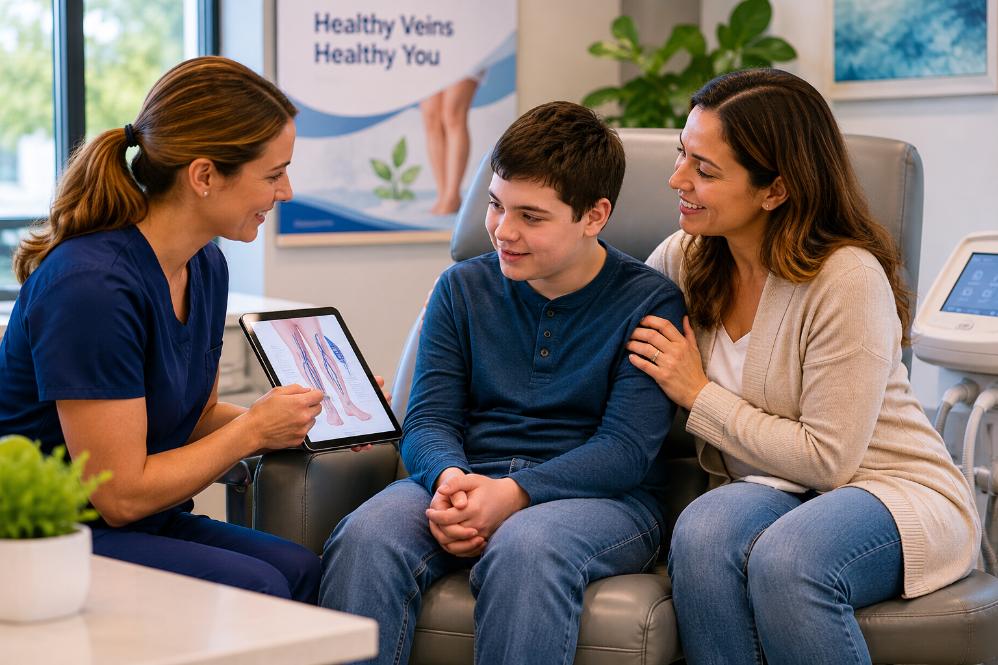
The Thursday morning waiting room was unusually calm. One mother sat beside her teenage son while he quietly worked on a puzzle.
As she spoke with a nurse, the conversation slowly shifted from school schedules and therapies to something more personal: long workdays, heavy legs, and constant exhaustion.
Stories like these are becoming more common as families begin exploring preventive vein care in Des Plaines as part of broader wellness routines.
For many parents raising autistic children, healthcare priorities are evolving. Annual checkups and emergency visits still matter, of course, but more caregivers are now paying attention to energy levels, circulation, mobility, and physical recovery.
Many parents admit they ignored chronic leg pain or swelling for years because caregiving always came first.
Often, the realization happens gradually. A parent notices how difficult it has become to stand through school events or therapy sessions. Another hears someone at a support group mention circulation treatments that helped reduce fatigue after long days.
These small conversations tend to stick with people, especially caregivers already managing physically demanding routines.
Expanding Wellness Conversations
Healthcare professionals in suburban communities have noticed that more parents are asking preventive questions earlier rather than waiting for symptoms to become severe. The focus is shifting toward maintaining long-term health instead of simply reacting to problems.
One father quietly summed it up while waiting for an appointment: “You spend years making sure your child has every support possible. At some point, you realize your health affects the whole family too.”
That mindset seems to resonate with many caregivers. Raising autistic children often involves constant movement: driving between appointments, standing through programs, carrying equipment, managing work schedules, and handling emotional stress all at once.
Over time, circulation health becomes difficult to ignore.
Parents also speak more openly about how physical exhaustion affects patience, focus, and emotional consistency at home. Caregivers who feel physically better often say they have more energy for communication, playtime, and daily family routines.
A More Comfortable Healthcare Experience
Part of the growing interest may also come from changes inside modern clinics themselves. Families caring for autistic children often value calm environments, predictable communication, and staff members who understand sensory sensitivities.
Clinics that reduce noise, confusion, and long waiting periods can make healthcare visits feel far less stressful.
Small details matter more than many people realize. Softer lighting, shorter wait times, and patient staff can completely change how a family experiences medical care.
One mother shared that her son used to become overwhelmed during appointments, causing the family to postpone non-essential visits whenever possible. She said newer accommodations and calmer clinic practices have made those visits much easier to manage.
As a result, more families appear willing to take a proactive approach toward their own health rather than postponing care indefinitely.
Many caregivers already build preventive habits into everyday life through nutrition, movement, and stress management. Adding circulation awareness to those routines feels like a natural extension for some families.
Anticipating Future Demands
Community wellness trends rarely change overnight, but in Des Plaines, preventive health conversations among caregivers seem to be growing steadily.
Parents balancing work, therapy schedules, school commitments, and household responsibilities are becoming more aware that personal health directly affects their ability to support others.
Many now see self-care less as a luxury and more as a practical necessity for long-term caregiving. Discussions around circulation support, recovery, and even medical screening considerations for autistic patients seeking laser lipolysis have slowly started appearing in broader wellness conversations.
For families already carrying heavy responsibilities, maintaining physical health increasingly feels connected to maintaining stability at home.