
Awareness of autism has increased tremendously, but discussion has now changed towards acceptance and understanding. The neurodiversity conception underlines that neurological differences are the natural variations of the human brain. This school of thought refutes the old-fashioned schools of thought that concentrate only on the deficits. Through the adoption of neurodiversity, society will be able to establish more inclusive and supportive environments of autistic people.
Leaving the Deficit-Based Models
The classical methods tend to view autism as a restriction and weakness.
Home, School, and the Inclusive Environments
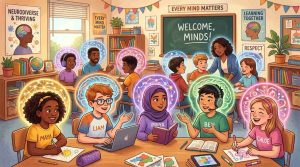
Even the simplest of changes such as sensory-friendly spaces can go a long way. Routines can be adjusted by schools and families to decrease stress and anxiety. Inclusion can assist people to flourish in their respective unique ways.
Listening to Autistic Voices
The autistic people are now becoming more and more vocal in promoting themselves and their needs. Their views offer great insights to lived experiences. Hearing these voices can be useful in developing superior support systems and policies. It makes sure that the approaches taken in care are respectful and effective.
Finding a New Direction Towards a Personalized Support Strategy
All the autistic people possess various strengths, needs, and preferences. Support plans that are individualized are more efficient as compared to generalized support plans. Crafting strategies enhance the educational, therapeutic, and everyday living results. This style values individuality and encourages independence.
End Notes
When we reconsider the support that people with autism need, through the prism of neurodiversity, more humane care will be achieved. Society can be more inclusive by emphasizing on strengths and individuality. Autistic voices should be listened to as it would mean that the support systems should be relevant and respectful. Knowledge, tolerance, and individualized care are the future of autism care.